
Transportation Management System in Oman: A Strategic Guide to Logistics Efficiency
As Oman’s trade and logistics sector continues to grow, businesses face increasing challenges in managing transportation operations efficiently. A Transportation Management System (TMS) provides a strategic solution to streamline shipment planning, execution, and monitoring, allowing companies to reduce costs, improve delivery reliability, and gain complete visibility over their logistics network.
What a Transportation Management System Really Is
A Transportation Management System is a software solution designed to organize, control, and optimize the movement of goods across supply chains. In Oman, where logistics operations often involve road, sea, and air transport, TMS is essential to coordinate shipments, schedule deliveries, and comply with regulations. Unlike traditional manual methods, TMS automates workflows, provides real-time tracking, and delivers actionable insights, helping companies make proactive decisions rather than reactive ones.
Why TMS is Vital for the Omani Market
Oman’s strategic location as a gateway between the GCC and international markets creates complex logistics networks. Companies face challenges such as traffic congestion in Muscat, port delays in Salalah and Sohar, and fluctuating fuel prices. Without a proper TMS, businesses risk inefficiencies, mismanaged shipments, and higher operational costs.
Adopting a TMS allows Omani companies to:
-
Optimize routes for time and fuel efficiency
-
Monitor shipments in real-time to ensure on-time delivery
-
Automate documentation and customs processes
-
Integrate transportation operations with other supply chain systems
A system that centralizes these functions improves both operational performance and customer satisfaction.

Common Logistics Challenges in Oman
Even experienced logistics companies in Oman encounter recurring problems:
-
Manual route planning causing delays
-
Difficulty coordinating multiple carriers
-
Limited visibility into shipment status
-
Inefficient reporting and decision-making
Temporary fixes may work short-term but fail as operations scale. A professional TMS ensures preventive management, reducing disruptions and costs while enabling data-driven decisions.
Practical Tips for Implementing TMS in Oman
-
Evaluate Current Workflows
Map your current transportation processes and identify pain points to determine where a TMS can deliver the most value. -
Define Clear Objectives
Decide on KPIs such as reducing delivery time, lowering costs, and improving customer satisfaction to guide implementation. -
Choose a Scalable Platform
Ensure the TMS can handle increased shipments and expanded operations in Oman and across the GCC. -
Train Staff Effectively
Proper training ensures employees adopt the system correctly and maximize its benefits. -
Integrate with Existing Systems
Connect the TMS with ERP, warehouse management, and accounting software for seamless operations. -
Continuously Monitor and Improve
Use reporting and analytics to refine routes, carrier choices, and resource allocation. -
Schedule Preventive Maintenance
Track vehicle usage and maintenance to prevent downtime and unexpected expenses. -
Work with Trusted Carriers
Maintain strong relationships with reliable local and regional carriers to ensure service quality. -
Prioritize Regulatory Compliance
Ensure your TMS meets Omani transport regulations and GCC documentation standards. -
Leverage Data for Strategic Decisions
Analyze reports to optimize routes, reduce costs, and plan long-term growth.

Traditional Methods vs Modern TMS
| Feature | Manual / Traditional Methods | Modern TMS |
|---|---|---|
| Route Planning | Handwritten or spreadsheet-based | Automated optimization using AI and GPS |
| Shipment Visibility | Limited updates | Real-time tracking with notifications |
| Cost Management | Reactive and inconsistent | Predictive analytics for cost efficiency |
| Reporting | Manual or delayed | Centralized dashboards with actionable insights |
| Integration | Standalone processes | Connected with ERP, WMS, and inventory systems |
| Scalability | Limited | Easily scalable to handle growth |
| Compliance | Manual verification | Automated checks and alerts |
| Vehicle Maintenance | Reactive | Preventive scheduling and alerts |
| Customer Communication | Minimal | Proactive updates and alerts |
| Decision Making | Based on experience | Data-driven decisions using analytics |

Frequently Asked Questions About TMS in Oman
-
What is a Transportation Management System and why is it important in Oman?
It helps businesses coordinate shipments, optimize routes, and manage costs efficiently. -
Can small and medium companies benefit from Transportation Management System?
Yes, scalable solutions serve businesses of all sizes. -
How does Transportation Management System improve delivery reliability?
Real-time monitoring reduces delays and ensures predictable shipments. -
Can Transportation Management System integrate with other systems?
Modern TMS can connect with ERP, warehouse, and accounting systems. -
Does TMS help with customs and regulatory compliance?
Automated workflows support local and GCC regulations. -
How does it reduce operational costs?
Optimized routes, automated processes, and resource allocation minimize expenses. -
Is mobile access available?
Most platforms provide mobile apps for remote monitoring. -
How does Transportation Management System support fleet maintenance?
Preventive alerts help schedule timely maintenance. -
Can it handle cross-border shipments in the GCC?
Yes, TMS supports regional compliance and documentation. -
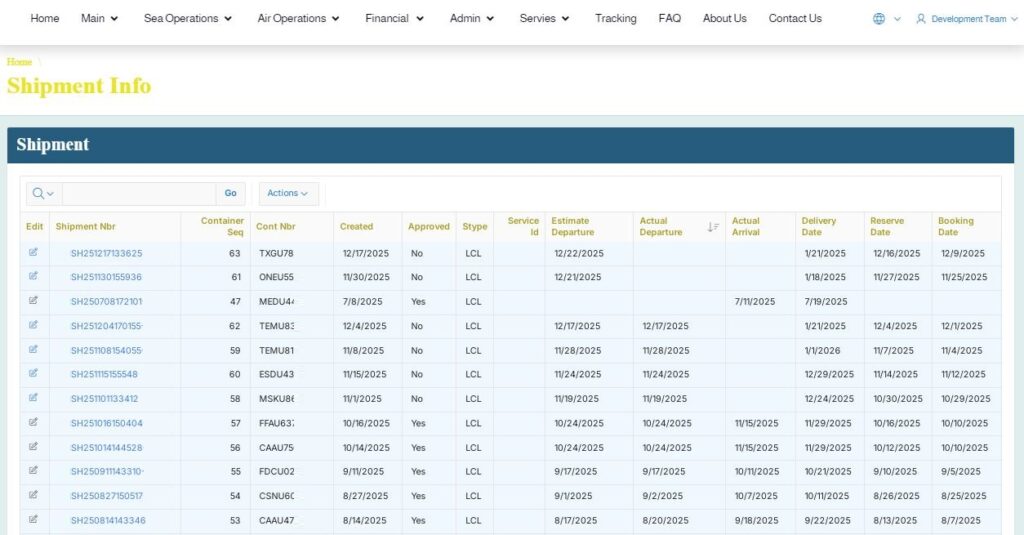
What reporting features does Transportation Management System offer?
Dashboards, analytics, and KPI tracking for performance insights.
-
How quickly can a company implement Transportation Management System in Oman?
Depending on size and complexity, implementation may take weeks to months. - How does Transportation Management System improve customer service?
Real-time notifications and shipment tracking enhance customer experience. -
Can TMS handle peak shipping seasons?
Scalable platforms can manage increased volumes efficiently. -
What are common mistakes when adopting TMS?
Poor planning, inadequate training, and ignoring integration needs. -
How does TMS support sustainability?
Optimized routes and reduced fuel consumption lower carbon footprint.
Leveraging Technology for Smarter Logistics in Oman
In Oman, technology adoption in logistics is still growing. Integrating a TMS with GPS tracking, automated alerts, and predictive analytics allows companies to respond proactively to delays or disruptions. This reduces manual intervention and empowers managers to make data-driven decisions for route optimization and resource allocation.
The Role of Data in Transportation Management
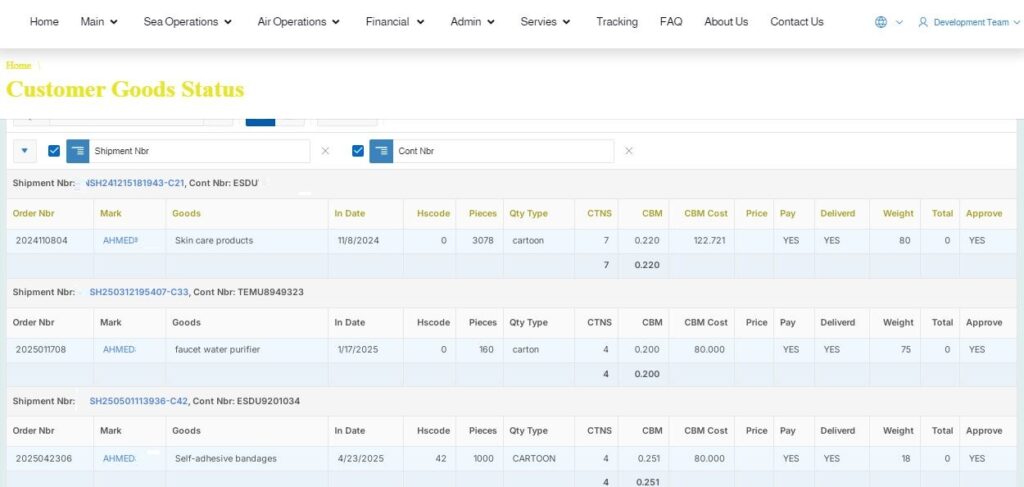
A TMS collects and analyzes vast amounts of data from shipments, carriers, and vehicles. Companies in Oman can leverage this data to identify patterns, forecast demand, and prevent recurring issues. The insights enable businesses to allocate resources efficiently, reduce idle time, and improve overall operational performance.
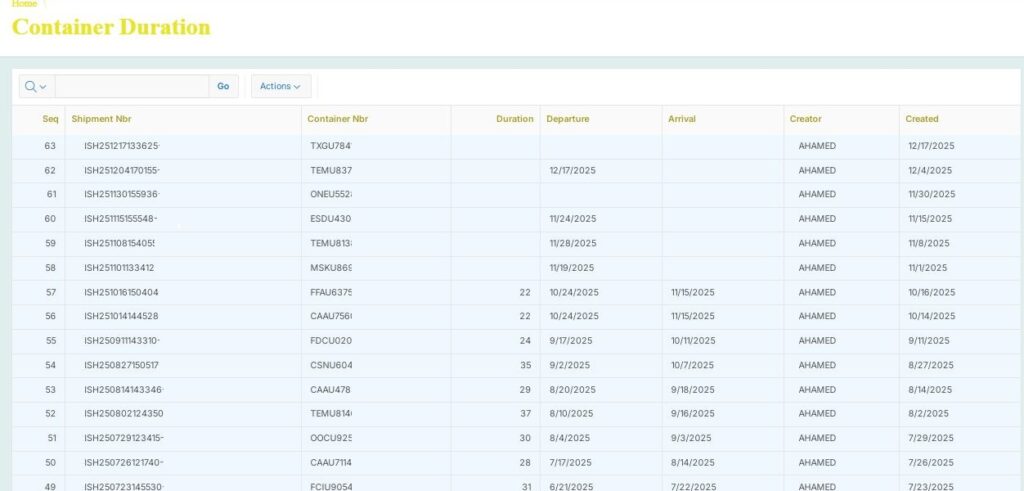
Collaboration Between Shippers and Carriers
Effective logistics in Oman requires seamless collaboration between shippers and carriers. A TMS provides a platform where communication is centralized, contracts are managed, and service-level agreements are tracked. This ensures that both parties meet their commitments, reduces miscommunication, and enhances trust across the supply chain.
Enhancing Sustainability Through TMS
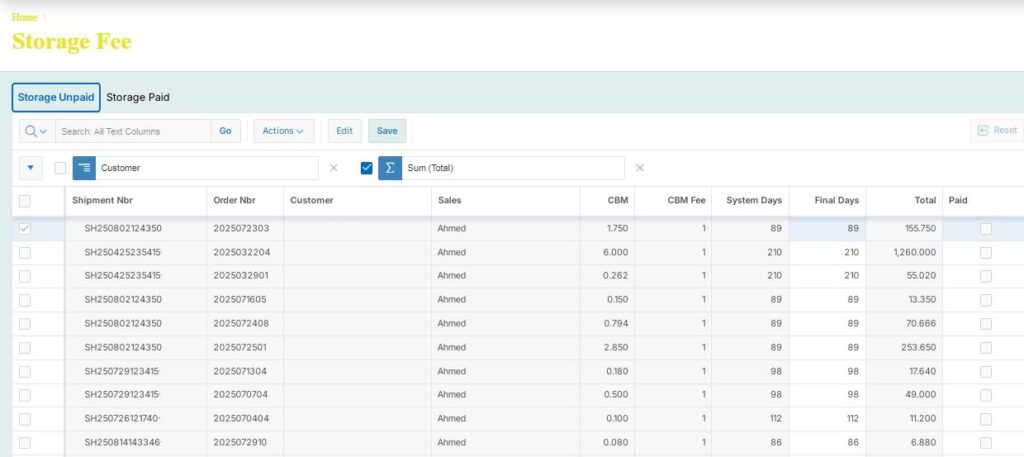
Sustainability is increasingly important for companies in Oman, especially as fuel costs and environmental regulations impact logistics. A TMS helps reduce carbon footprint by optimizing routes, consolidating shipments, and minimizing empty trips. Businesses can demonstrate environmental responsibility while also reducing operating expenses.
Preparing for Future Growth in Omani Logistics
As Oman’s economy expands and trade volumes increase, logistics companies must be ready for future demands. Implementing a robust TMS ensures scalability, flexibility, and readiness to handle more complex operations. Companies that adopt advanced TMS solutions are better positioned to serve emerging markets, support e-commerce growth, and maintain a competitive edge in the GCC.
Conclusion
For logistics companies in Oman, a Transportation Management System is a strategic necessity rather than a luxury. By providing visibility, automation, and predictive analytics, a TMS enables businesses to improve efficiency, reduce costs, and deliver exceptional service. Companies that adopt a modern TMS can transform operations from reactive to proactive, ensuring long-term competitiveness in the Omani and GCC logistics markets.
How to Contact Us
Have a question or want to book our services?
Masarat Smart Logistics Solutions makes it easy to get in touch:
Call us directly: +968 9295 8376
Send us a WhatsApp message: [Click here to chat]
Follow us on our website: [Masarat Website]
We’re here to assist you with shipment management, booking, and inquiries—reach out anytime!